
7 Proven Facts About Metabolic Encephalopathy: Deadly Links to Hepatic Encephalopathy
Hearing the phrase metabolic encephalopathy can feel overwhelming and frightening.
It sounds technical, serious, and distant from everyday life.
Yet this condition is not rare.
It often affects people already living with chronic illnesses.
That includes diabetes, kidney disease, and advanced liver disease such as cirrhosis.
Metabolic encephalopathy describes brain dysfunction caused by problems in the body’s chemistry.
That might mean toxins in the blood, severe infections, or organ failure.
One of the most dangerous and better known forms is hepatic encephalopathy, which is directly related to liver disease.
Understanding what is happening inside the body can reduce fear.
It also helps you recognize early warning signs and seek help in time.
This article walks through seven proven facts about this condition.
You will see how it connects to liver disease, why it can be deadly, and where hope still exists.
Fact 1: Metabolic Encephalopathy Is a Brain Reaction to a Sick Body
Many people think encephalopathy is only a brain disease.
In reality, it is often the brain’s response to problems outside the brain.
Metabolic encephalopathy occurs when the body’s normal chemical balance breaks down.
This can be due to:
- Toxins the body cannot clear
- Severe imbalances in electrolytes or blood sugar
- Lack of oxygen
- Serious infections
- Organ failure, especially of liver or kidneys
These changes disturb how brain cells work.
They do not always destroy the brain structure right away.
Instead, they disrupt how brain cells communicate.
Common everyday triggers include:
- Very high or very low blood sugar in diabetes
- Kidney failure causing a buildup of urea and other toxins
- Liver failure causing ammonia and other substances to rise
- Extremely low sodium or very high sodium
- Severe dehydration combined with infection
A simple example:
An older adult with pneumonia may become suddenly confused and sleepy.
The infection, fever, low oxygen, and dehydration change body chemistry.
This leads to acute encephalopathy.
When doctors say “encephalopathy,” they are describing a syndrome.
It means a confused or altered brain state, not a single disease.
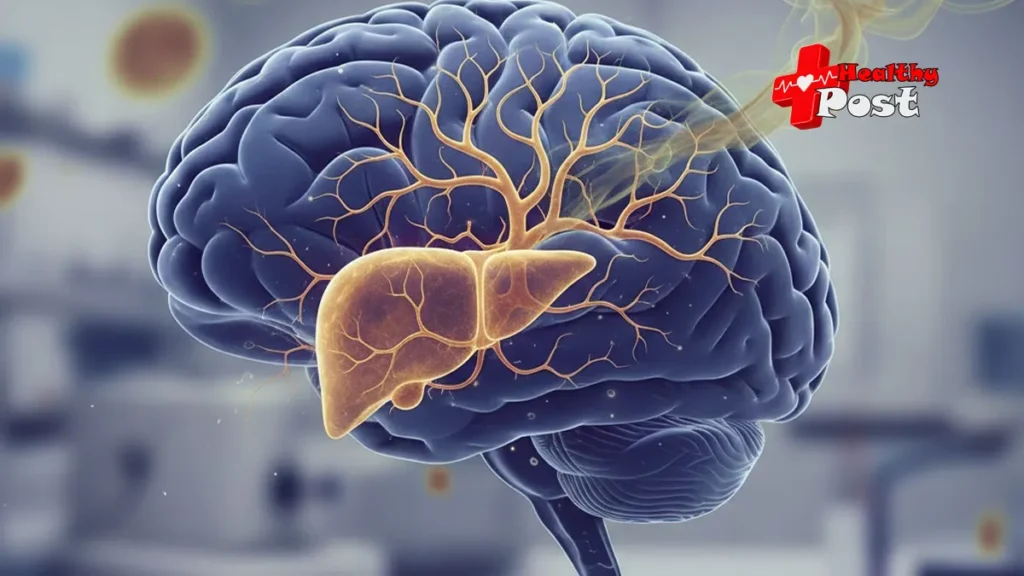
Fact 2: Hepatic Encephalopathy Is One Dangerous Subtype ⚠️
Hepatic encephalopathy is one form of metabolic brain dysfunction.
It happens when the liver fails to remove toxins from the blood.
The liver normally acts as a powerful filter and chemical factory.
It processes proteins, medications, hormones, and waste products.
When the liver is damaged by cirrhosis, hepatitis, or other diseases, toxins accumulate.
Ammonia is one important toxin.
It is produced when we digest protein.
In healthy people, the liver converts ammonia into urea, which the kidneys remove.
In advanced liver disease, this process fails.
Ammonia and other substances reach the brain.
They cause:
- Confusion or disorientation
- Mood changes or irritability
- Difficulty with handwriting or simple tasks
- Daytime sleepiness and nighttime wakefulness
- In advanced stages, coma
The condition may come and go.
It often worsens after triggers such as:
- Gastrointestinal bleeding
- Constipation
- High protein intake in some cases
- Infection
- Dehydration
- Certain medications like sedatives
For a detailed overview of hepatic encephalopathy, major liver centers offer helpful patient guides.
Fact 3: Symptoms Can Be Subtle at First 😵💫
Early encephalopathy is easy to miss.
Symptoms may seem like stress, aging, or a bad night’s sleep.
Early signs often include:
- Mild confusion or “brain fog”
- Trouble focusing or finishing tasks
- Changes in sleep pattern
- Irritability or unusual mood swings
- Slower thinking or delayed responses
In hepatic encephalopathy, a classic sign is “flapping” tremor.
When the person holds their hands out, the hands may suddenly flap downward.
As metabolic encephalopathy worsens, symptoms progress to:
- Marked disorientation
- Not knowing the date or location
- Slurred or unclear speech
- Very slow responses
- Agitation or aggression
- Extreme sleepiness
- Finally, reduced response or coma
Real‑life example:
A man with known cirrhosis becomes more forgetful and sleeps during the day.
His family attributes it to aging.
Later he becomes confused and cannot follow a simple conversation.
In hospital, doctors diagnose hepatic encephalopathy triggered by constipation and infection.
Any new confusion in someone with liver disease, kidney failure, or serious infection is an emergency sign.
It needs urgent medical evaluation.
Fact 4: The Link Between Liver Disease and Brain Dysfunction Is Deep
The title mentions deadly links to hepatic encephalopathy for a reason.
Chronic liver disease and brain dysfunction are tightly connected.
Cirrhosis creates several pathways that harm the brain:
- Build‑up of toxins
- Ammonia and other compounds reach the brain.
- They disrupt brain energy use and signaling.
- Low‑grade inflammation
- Liver disease often causes systemic inflammation.
- Inflammation makes the brain more sensitive to toxins.
- Changes in blood flow
- Scarred liver raises pressure in the portal vein.
- Blood bypasses the liver and carries toxins directly to the brain.
- Nutritional problems
- People with cirrhosis often lose muscle.
- Muscles normally help break down toxins like ammonia.
- Less muscle means higher toxin levels.
These processes explain why some people with liver disease appear “foggy” even between severe episodes.
They may have minimal hepatic encephalopathy.
This form is subtle but still affects driving, work, and quality of life.
For background on cirrhosis and its complications, many patients read about liver cirrhosis through trusted national institutes.
Metabolic vs Hepatic Encephalopathy: Key Differences and Overlap
All hepatic encephalopathy is metabolic.
But not all metabolic brain dysfunction is hepatic.
Below is a simple comparison.
| Feature | Metabolic Encephalopathy (General) | Hepatic Encephalopathy |
|---|---|---|
| Main cause | Any severe chemical imbalance or toxin buildup | Failure of the liver to remove toxins, especially ammonia |
| Common triggers | Infection, kidney failure, low oxygen, blood sugar issues | Cirrhosis, liver failure, bleeding, constipation, infection |
| Typical patients | People with serious medical illness or organ failure | People with chronic liver disease or acute liver failure |
| Reversibility | Often reversible if cause is corrected early | Partly reversible; risk of recurrence is high |
| Long‑term outlook | Depends on underlying disease and speed of treatment | Strongly linked to liver disease severity and survival |
Understanding the overlap helps families recognize risk sooner.
If someone has cirrhosis, any sudden confusion should suggest possible hepatic encephalopathy.
Fact 5: Diagnosis Requires Looking Beyond the Brain
There is no single blood test that says “this is encephalopathy.”
Instead, doctors put together clues from several directions.
Key steps include:
- Detailed history
- Onset of confusion or behavior change
- Existing illnesses such as liver or kidney disease
- Medication list, including sedatives and painkillers
- Physical examination
- Level of alertness
- Coordination and tremors
- Signs of liver disease, infection, or dehydration
- Basic tests
- Blood sugar, sodium, potassium, kidney function
- Liver function tests and clotting time
- Levels of toxins such as ammonia (helpful but not perfect)
- Brain imaging if needed
- CT or MRI to exclude stroke or bleeding
In hepatic encephalopathy, doctors also search for triggering factors.
These might include bleeding ulcers, infections, or constipation.
Diagnosis is often clinical.
That means doctors use their judgment, experience, and combination of findings.
They must rule out other causes like stroke, seizure, or drug overdose.
For clinicians and patients seeking deeper reading, resources on encephalopathy from national medical libraries provide in‑depth reviews.
Fact 6: Treatment Targets the Underlying Cause First 💊
Metabolic encephalopathy is a red flag, not a stand‑alone disease.
The most important step is treating what caused it.
General treatment principles:
- Stabilize vital functions
- Ensure adequate breathing and oxygen levels
- Support blood pressure and circulation
- Correct severe dehydration
- Correct the metabolic problem
- Normalize blood sugar
- Fix low or high sodium slowly and carefully
- Treat kidney failure with dialysis when needed
- Reverse medication toxicity if possible
- Treat infections promptly
- Start antibiotics or antivirals when infection is suspected
- Control fever and sepsis
- Protect the brain
- Avoid unnecessary sedating drugs
- Prevent falls and injury
- Monitor closely in a hospital setting for severe cases
Specific Treatment for Hepatic Encephalopathy
Hepatic encephalopathy treatment focuses on lowering ammonia and other toxins.
Common strategies include:
- Lactulose
- A synthetic sugar that changes gut acidity.
- It helps remove ammonia through the stool.
- It is usually given as syrup or enema.
- Rifaximin
- An antibiotic that stays mostly in the gut.
- It reduces bacteria that produce ammonia.
- Managing triggers
- Treat infections, bleeding, or dehydration.
- Adjust protein intake based on nutrition advice.
- Long‑term planning
- For advanced cirrhosis, doctors may discuss liver transplant.
- Transplant can dramatically improve survival and brain function.
With prompt treatment, many patients improve within days.
Yet each episode raises concern about long‑term brain health and liver status.
Fact 7: Outcomes Range from Reversible to Life‑Threatening
The outcome of metabolic encephalopathy depends on three main things:
- How quickly the cause is found and treated
- How severe the episode is
- How advanced the underlying disease has become
Some people fully recover.
For example:
- A person with uncontrolled diabetes develops confusion from very high blood sugar.
- After fluids and insulin in hospital, their thinking returns to normal.
Others improve but remain vulnerable.
Episodes may repeat if the underlying liver or kidney disease persists.
In people with advanced cirrhosis, hepatic encephalopathy is a serious warning sign.
It often predicts shorter survival, especially without transplant.
Potential long‑term effects include:
- Ongoing difficulty with attention or memory
- Increased risk of falls and injuries
- Reduced ability to work or drive safely
- Lower quality of life for patients and caregivers
Yet early recognition makes a real difference.
Families who learn the warning signs can seek help faster.
That often means shorter hospital stays and better outcomes.
For broader information about chronic liver problems and outcomes, many people review evidence on hepatic encephalopathy from major health systems.
Living With or Caring for Someone at Risk: Practical Steps ✅
If you or a loved one has liver disease, kidney failure, or another serious illness, risk is higher.
You are not powerless.
Here are practical steps you can take:
- Know the baseline
- Notice what “normal” thinking and behavior look like.
- Small changes are easier to see when you know the starting point.
- Watch for early changes
- New confusion or forgetfulness
- Big shifts in sleep habits
- Sudden mood swings or irritability
- Trouble with simple tasks like paying bills
- Keep medical follow‑up appointments
- Regular lab tests can catch worsening liver or kidney function.
- Adjusting medications early can prevent crises.
- Maintain a medication list
- Include prescription, over‑the‑counter, and herbal products.
- Share this list with every healthcare provider.
- Ask about driving and safety
- Discuss whether it is safe to drive or work with machinery.
- Safety comes before pride in these situations.
- Support healthy lifestyle habits 🍎
- Follow nutrition advice from your medical team.
- Avoid alcohol if you have liver disease.
- Stay hydrated, especially during illness or hot weather.
- Do not ignore your own emotions
- Caring for someone with encephalopathy is stressful.
- Reach out to support groups, counselors, or faith communities.
When to Go to the Emergency Room 🚑
Seek emergency care immediately if someone with serious illness shows:
- Sudden confusion or strange behavior
- Inability to stay awake or respond
- Slurred speech or new weakness
- Uncontrolled shaking, seizures, or collapse
- Vomiting blood or passing black, tarry stool
- Fever with confusion or extreme sleepiness
Do not wait for an appointment.
Call your local emergency number or go to the nearest emergency department.
Trust your instincts as a caregiver.
If “something is not right” with mental state, act quickly.
Frequently Asked Questions About Metabolic Encephalopathy
1. What is metabolic encephalopathy in simple terms?
Metabolic encephalopathy is brain dysfunction caused by chemical or toxic imbalances in the body.
It is often triggered by organ failure, infection, or severe blood chemistry changes.
The brain itself may look normal on scans at first.
But its function is impaired by the unhealthy environment around it.
2. Is metabolic encephalopathy reversible?
Often, yes.
If doctors quickly correct the underlying cause, thinking and awareness can return to normal or near normal.
However, repeated or very severe episodes can lead to lasting changes.
Recovery also depends on how advanced the underlying liver, kidney, or heart disease is.
3. How is hepatic encephalopathy different from other forms?
Hepatic encephalopathy specifically comes from liver failure or severe liver scarring.
The liver cannot remove toxins like ammonia, which then affect the brain.
Other forms may be due to kidney failure, severe infection, or major blood sugar problems.
But they share the common theme of chemical imbalance harming brain function.
4. Can encephalopathy cause permanent brain damage?
Yes, it can, especially if episodes are repeated or very prolonged.
Lack of oxygen, ongoing inflammation, or repeated toxin exposure may injure brain cells.
That said, many people improve greatly with proper treatment.
Early detection offers the best chance for full recovery.
5. How is encephalopathy treated at home?
Home is not the place to start treatment for new, significant confusion.
Urgent evaluation is needed to find the cause.
Once doctors stabilize the condition, some treatments continue at home.
For example, people with hepatic encephalopathy may take lactulose and rifaximin long term.
These require regular medical follow‑up.
6. Who is most at risk for metabolic encephalopathy?
People at highest risk include those with:
- Advanced liver disease or cirrhosis
- Chronic kidney failure
- Uncontrolled diabetes
- Severe infections like sepsis
- Major heart failure or low oxygen states
Older adults are also more vulnerable.
Their brains are more sensitive to chemical changes and medications.
Conclusion: Understanding Metabolic Encephalopathy Can Save Lives 🌟
Metabolic encephalopathy is not just a complex medical phrase.
It is a warning sign that the brain is suffering because the body is unwell.
The deadly link to hepatic encephalopathy shows how closely the liver and brain are connected.
When the liver fails, toxins rise, and thinking begins to slip.
Without timely treatment, this can progress to coma and even death.
Yet knowledge brings power and protection.
You now know the key signs of encephalopathy.
You understand why sudden confusion in someone with liver or kidney disease is an emergency.
If you or a loved one live with cirrhosis, chronic kidney disease, or other serious illness, stay alert.
Keep open communication with your medical team.
Ask specific questions about your risk for metabolic encephalopathy and how to reduce it.
Small actions today, such as medication review, infection prevention, and nutrition support, can prevent major crises tomorrow.
When in doubt, seek help early.
Your brain, and the brains of those you love, are worth that urgent call. 📞